
For ecommerce brands, the holiday shopping season may begin with promotions and gift lists. For the people responsible for inventory and fulfillment, it begins much earlier.
By September, the question is no longer whether holiday demand is coming. The question is whether your operation is ready when it arrives.
And in 2026, that preparation looks different.
Changes in global trade are pushing more inventory into U.S. warehouses. Brands are expanding beyond direct-to-consumer sales into Amazon and wholesale channels. At the same time, consumers still expect fast delivery, accurate orders, and an easy buying experience.
That puts tremendous pressure on the fulfillment operation behind the brand.
More Inventory Is Moving Through U.S. Warehouses

One of the biggest logistics developments of 2026 has been the changing economics of shipping low-value parcels directly from overseas.
Changes to de minimis treatment have made the old model of shipping individual orders directly from overseas less attractive for many brands. Instead, more companies are returning to a familiar supply chain model:
Import inventory in bulk. Store it domestically. Fulfill orders closer to the customer.
That creates opportunity, but it also requires better inventory planning.
Holiday inventory arriving at a warehouse isn't automatically ready to sell. It must be received accurately, entered into inventory, labeled or prepared when required, and positioned for the appropriate sales channel.
Waiting until November to solve those problems is too late.
One Inventory Pool, More Places to Sell
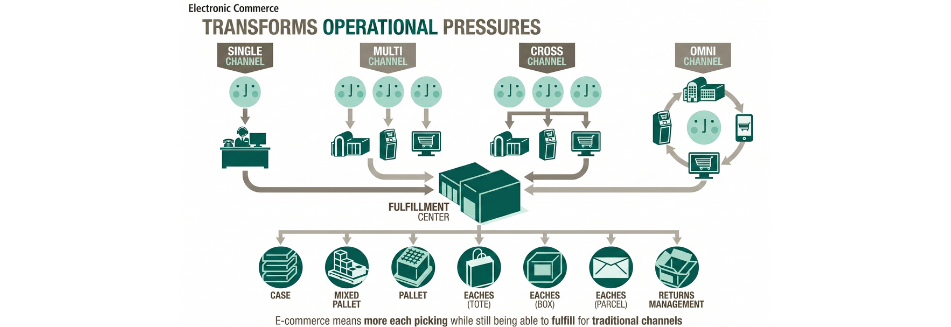
Today's brands aren't necessarily choosing between their website, Amazon, or wholesale.
Increasingly, they're doing all three.
That means the same warehouse may need to support:
Direct-to-consumer ecommerce orders
Amazon replenishment
Retail and wholesale purchase orders
Kitting or promotional programs
Retailer-specific labeling and routing requirements
Returns and inventory disposition
Each channel has different requirements.
Amazon inventory may require preparation and labeling before replenishment. A wholesale customer may require EDI transactions, specific carton labels, routing instructions, packing requirements, and shipment windows.
The inventory may be the same.
The fulfillment process isn't.
Peak Season Magnifies Small Problems
A process that causes a minor inconvenience at normal volume can become a major bottleneck during holiday volume.
An inaccurate inventory count can lead to an oversell.
A receiving delay can keep inventory unavailable while advertising dollars are already being spent.
A labeling error on a wholesale shipment can create a chargeback.
A late Amazon replenishment can mean losing valuable selling days.
That's why peak season preparation should focus on eliminating operational surprises before volume increases.
At Weisser Distributing, we believe good fulfillment isn't simply getting a box out the door. It's making sure inventory can move efficiently wherever the customer wants to sell it.
Five Questions Brands Should Ask Before Holiday Volume Arrives
Before the season accelerates, ask:
Do we know exactly how much inventory we have and where it is?
Is enough Amazon inventory positioned to support expected demand without unnecessarily overstocking FBA?
Can our fulfillment operation support both ecommerce and wholesale orders from the same inventory?
Are retailer routing, EDI, labeling, and compliance requirements documented before purchase orders arrive?
Do we have a plan for the returns that will follow holiday sales?
If any of those answers are uncertain, September is the time to address them.
Peak Season Is Won Before Peak Season
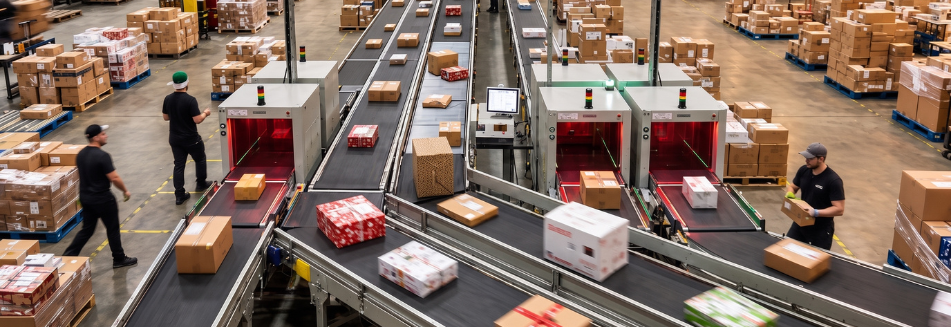
Holiday fulfillment isn't won during the busiest week of November.
It's won in the weeks beforehand through accurate receiving, disciplined inventory management, documented processes, marketplace planning, and communication.
Brands shouldn't have to coordinate one company for Amazon, another for wholesale, and another for ecommerce fulfillment.
Through Weisser Distributing and Marketplace Pros, our goal is to help brands connect those pieces by moving inventory from the warehouse to Amazon, retailers, and ultimately the customer.
Because when holiday demand arrives, the best fulfillment operation is the one your customer never has to think about.