
E-Commerce Fulfillment: Are You Meeting Customer Expectations?
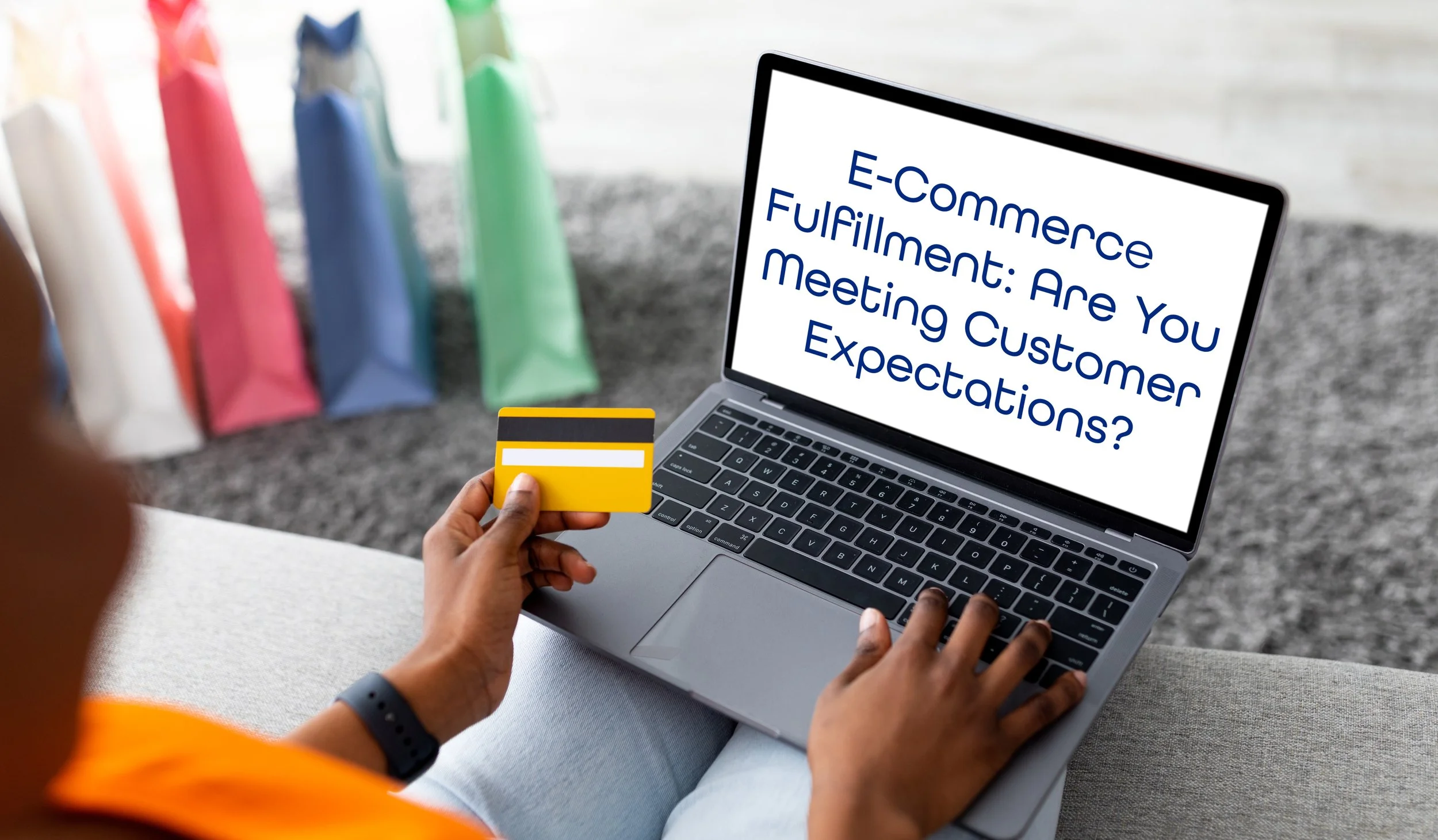
Most e-commerce brands think about fulfillment from the inside out. Warehouse processes, carrier rates, inventory systems — all important, but all invisible to the person actually buying from you.
Your customer doesn't see any of that. What they see is whether their order arrived when you said it would, whether it showed up in good condition, and how easy it was to sort out if something went wrong. So the real question isn't whether your fulfillment operation is running — it's whether it's running well enough to match what your customers actually expect.
Here's how to find out.

Are your orders arriving when you promised?
This is the first thing your customer notices — and increasingly it's influencing whether they buy from you in the first place. Delivery speed has become one of the top factors in purchase decisions, with a significant portion of shoppers abandoning carts when estimated delivery times feel too long.
Getting here requires more than just fast shipping. It requires inventory positioned correctly, orders processed without delay, and carrier relationships that actually deliver on the promise you made at checkout. If you're regularly falling short on delivery windows, that's not a shipping problem — it's a fulfillment strategy problem.
Are your orders arriving the way you'd want them to?
A missing item, a wrong size, a product rattling around in an oversized box — these are small things that land big with customers. Order accuracy and packaging quality directly influence whether a customer leaves a positive review, whether they return, and whether they tell someone else about you.
Picking and packing sounds straightforward but it's where a lot of fulfillment operations quietly fall apart under volume. Ask yourself honestly — do you know your order accuracy rate? Do you know what your packaging looks like by the time it reaches your customer's door?
Are you keeping your customers informed along the way?
Customers don't just want fast delivery — they want to feel informed throughout the journey. Proactive tracking updates and clear communication between purchase and delivery are now a baseline expectation rather than a premium feature. If your customers are regularly emailing to ask where their order is, that's a signal worth paying attention to.
Your fulfillment system should be talking to your storefront in real time — tracking information flowing automatically, updates going out without anyone having to manually trigger them. When it works seamlessly customers barely notice it. When it doesn't, they notice immediately.
And when something goes wrong — is your returns process working for your customer or against them?
Returns are the final test of whether your fulfillment operation is actually built around the customer experience or just around getting orders out the door. A smooth, hassle-free return experience is now one of the strongest drivers of repeat purchase behaviour in e-commerce — meaning the way you handle things going wrong has a direct line to your long term revenue.
If a customer has to chase you down to make a return, you've already lost them. If the process is clear, fast and easy — there's a real chance they come back.

So — are you meeting the bar?
Every one of these touchpoints is a reflection of your brand, not just your operations. And if any of them gave you pause, that's worth taking seriously.
At Marketplace Pros, backed by Weisser Distributing's decades of warehousing expertise, we help e-commerce brands build fulfillment operations that actually hold up to what customers expect today. From accurate receiving and smart inventory management to multi-channel order fulfillment and returns — we handle the complexity so your brand experience never misses a beat.
If you're not sure your fulfillment is keeping pace, let's find out together.